Understanding Your Tractor Sprayer Options: Finding the Perfect Fit
Choosing the right tractor sprayer is crucial for efficient and sustainable farming. Several types cater to different needs and farm sizes. Let's examine the key options:
Boom Sprayers: These are ideal for large, open fields, offering high coverage rates for row crops. However, their maneuverability in tighter spaces might be limited. Look for models with GPS guidance and variable rate technology (VRT) for optimized chemical application and reduced waste.
Airblast Sprayers: Designed for orchards and vineyards, airblast sprayers utilize airflow to deliver chemicals effectively through dense foliage. While excellent for targeted application, they’re less suitable for vast open fields and may cause some spray drift if not carefully managed.
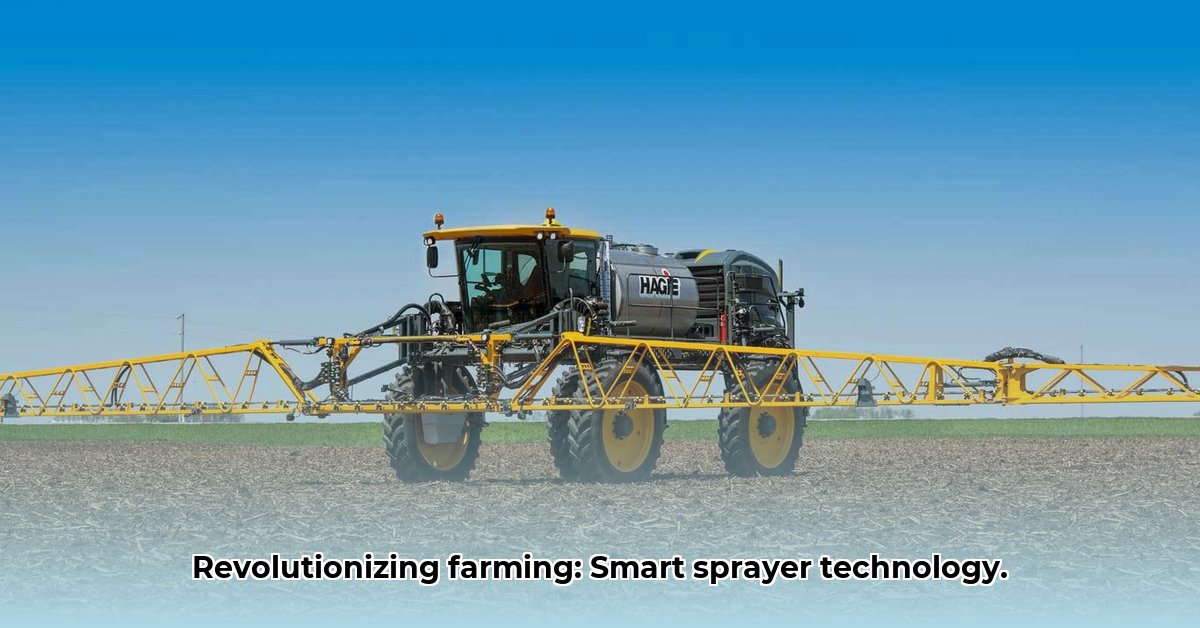
Self-Propelled Sprayers: Offering superior maneuverability and precision, these independent units excel in challenging terrains and variable crop densities. Their higher initial cost often pays off through enhanced efficiency, which leads to reduced chemical use and labor costs.
For more sprayer options, check out this helpful resource: tractor sprayer options.
Which type suits you best? It depends on several crucial factors.
Selecting the Right Tractor Sprayer: Your Personalized Checklist
Choosing your sprayer is a significant decision. Consider these points carefully:
| Feature | Boom Sprayer | Airblast Sprayer | Self-Propelled Sprayer | Considerations |
|---|---|---|---|---|
| Cost | Lower | Medium | Higher | Balance initial investment against long-term savings from reduced chemical use and increased efficiency. |
| Application Area | Large fields | Orchards, Vineyards | Versatile | Match sprayer capabilities to your specific crops and field size and geometry. |
| Maneuverability | Lower | Higher | High | Evaluate your field's terrain and consider the need for navigation around obstacles. |
| Efficiency | Moderate | Moderate | High | High efficiency translates directly to time and resource savings. |
| Environmental Impact | Moderate (improved with tech) | Moderate to High (drift potential) | Lower (with precision tech) | Prioritize features like GPS guidance and VRT to minimize environmental impact. |
Beyond this table, consider these essential factors:
Farm Size: Larger farms often justify larger and more sophisticated sprayers, while smaller operations may find more compact models sufficient. Don't overspend on capacity you won't utilize.
Crop Type: The type of crop dramatically impacts sprayer choice. Boom sprayers are well-suited for row crops, while airblast sprayers are preferred for orchards and vineyards. Specialized needs may require specialized equipment.
Budget: Set a realistic budget, but also factor in long-term savings. A more efficient sprayer can reduce chemical costs and labor over time, often offsetting the higher purchase price.
Terrain: Uneven or hilly land necessitates a robust sprayer, potentially a self-propelled model with advanced suspension for consistent application and equipment protection, while flat, even fields permit simpler options.
Investing in smart features like GPS guidance and VRT is a smart strategy enhancing precision and minimizing environmental impact. These technologies can prove cost-effective in the long run.
Mastering Your Tractor Sprayer: Getting the Most Out of Your Investment
Owning a sprayer is only the first step; knowing how to use and maintain it correctly is paramount:
1. Calibration: Precision application is critical. Accurate calibration ensures optimal chemical use, preventing waste and environmental contamination. Online resources and guides can simplify this process.
2. Operation: Follow manufacturer instructions meticulously, selecting nozzles appropriate to your needs and crops. Using incorrect nozzles can lead to issues such as drift, uneven application, and chemical runoff.
3. Maintenance: Regular cleaning, inspection, and servicing are essential. Preventative maintenance extends equipment lifespan, minimizes costly repairs, and avoids downtime. Consistent maintenance is a worthwhile investment.
4. Safety Precautions: Always prioritize safety. Wear appropriate protective gear, including gloves, eye protection, and respirators while handling chemicals and operating the sprayer.
5. Chemical Handling: Safe chemical storage and handling are paramount, both environmentally and for personal safety. Always follow label instructions closely and take measures to prevent leaks and spills.
Proper maintenance is not just about preventing malfunctions; it minimizes environmental hazards. It’s about safeguarding your investment and preserving the environment simultaneously.
Beyond the Sprayer: Sustainable Practices for a Healthier Future
Sustainable farming is holistic. It's about the entire operation, not just the equipment:
Integrated Pest Management (IPM): IPM uses multiple methods to control pests, reducing reliance on chemical pesticides. It’s a proactive, multi-pronged approach to pest management.
Biological Control: Introducing beneficial organisms to combat pests naturally minimizes chemical use and its environmental implications.
Crop Rotation: Rotating crops disrupts pest life cycles, reducing pest pressures and the need for frequent spraying.
Less-Toxic Pesticides: Choose lower-impact pesticides whenever possible. Prioritize chemicals with reduced environmental and health risks.
Your sprayer is a crucial tool, but it's only part of a larger strategy for sustainable farming.
Resources and Further Learning: Continuing Your Journey
Numerous resources exist to support your journey towards sustainable farming. Government agencies, university extension programs, and industry organizations provide invaluable information, training, and assistance to optimize sprayer use and adopt more sustainable practices. Staying informed ensures you use methods and technologies suited for your goals.
Conclusion: Sustainable Spraying for a Profitable and Environmentally Responsible Future
Smart farming with a smart tractor sprayer combines efficiency and sustainability. Informed decision-making and adherence to a holistic sustainable approach significantly enhance farm profitability while reducing environmental impact. It’s an investment in both productivity and environmental responsibility.